Yes, a business should consider testing Google’s new one-click Demand Gen ads when the offer, mobile page, creative, and measurement are ready. The shorter path can remove a tap between the ad and your website. It cannot fix a vague offer, a slow page, or a form nobody wants to finish.
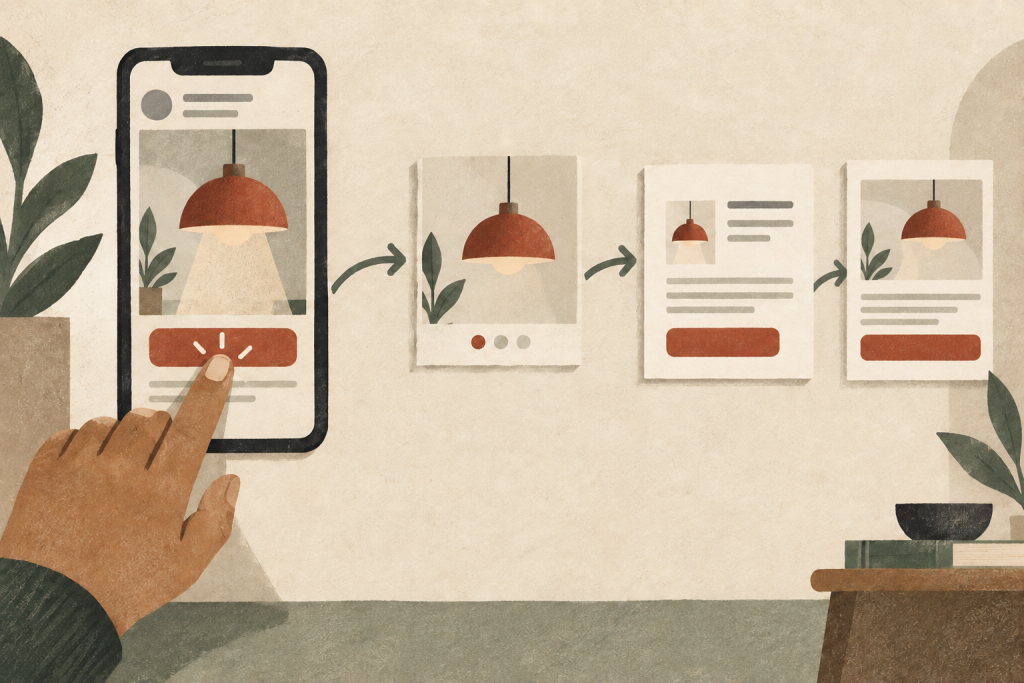
Google announced the one-click experience on September 24, 2026. The company says people can now reach an advertiser’s landing page with one tap on image ads in YouTube Shorts and Gmail. For Shorts, advertisers need to upload 9:16 full-bleed image ads.
That makes this useful now for retailers, equipment dealers, home-service companies, and other businesses already considering Demand Gen. It does not mean every business needs to turn it on. Run a controlled test only after the destination is ready for the quicker handoff.
Give the ad one job
Start with what you want the person to do after the tap. Shop a featured product? View an equipment offer? Schedule an estimate? Pick one useful next step and build the ad around it.
A general brand image that opens a general homepage may save a tap and still leave the customer hunting. Match the image, short message, and destination to the same offer. If the ad shows a fall service package, the page should explain that package, the service area, the deadline, and how to ask for it.
Need twelve offers in one ad? No. Need every service listed above the form? Nope. Give the customer a clear reason to keep going.
Build the vertical image on purpose
A 9:16 placement is not a horizontal ad with both sides chopped off. Design for the tall frame from the start. Keep the subject easy to understand on a phone. Leave breathing room around important details. Check that the image still makes sense when interface controls sit near its edges.
Do not trap essential terms inside the image. Put the full offer and qualifications on the landing page in readable text. That gives the customer a better explanation and gives your team one place to correct a date or detail.
Google’s announcement describes a platform feature. It does not promise that your ad will produce more qualified leads. Your creative still has to earn attention, and the page still has to finish the job.
Test the tap from ad to action
Open the destination on a phone before you spend money. Does it load quickly? Does the first screen confirm the offer from the ad? Can someone read the key details without pinching the screen? Does the phone button call the right location? Does the form reach the person who can answer?
Test the full handoff, not just the URL. Submit the form. Make the call. Check the confirmation message. If a dealer has several branches, verify that the ad and page agree on inventory, territory, and contact information.
Weber’s media buying team plans, places, and reconciles digital campaigns. Our digital and web team builds the destination the ad needs. One team can catch the bad crop, broken page, or mixed-up phone number before your budget finds it.
Decide what would make the test worth keeping
Choose the business result before launch. For a retailer, that might be a completed purchase or store-specific product inquiry. For an equipment dealer, it might be a qualified request tied to a branch and machine category. For a service company, it might be a booked estimate inside the service area.
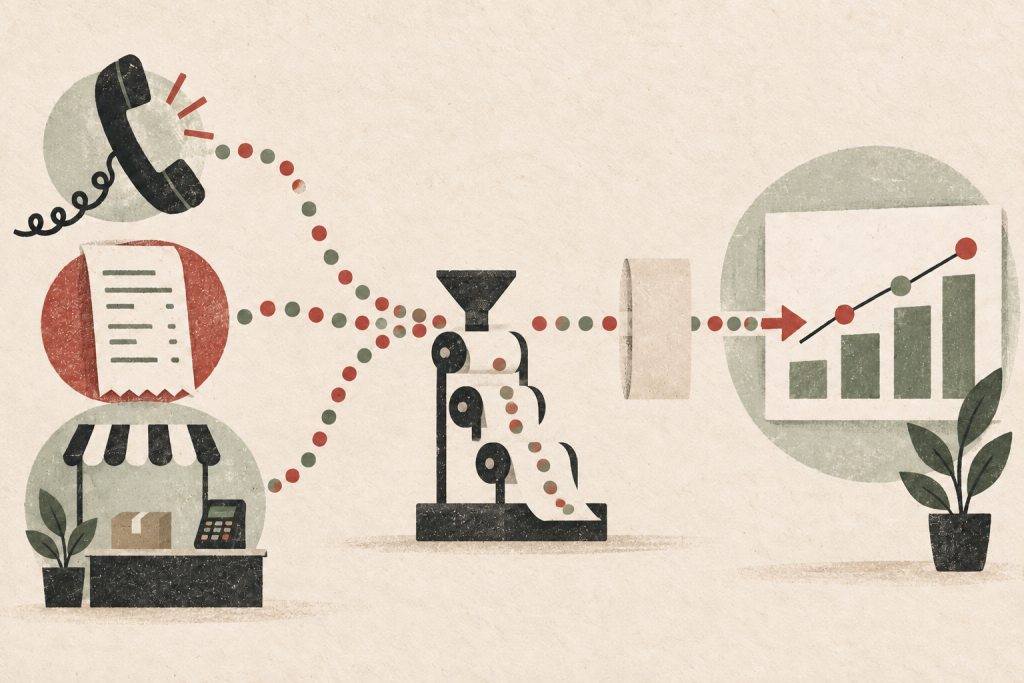
Then read the numbers in order. Impressions show delivery. Taps show interest. Page activity shows what happened next. A qualified inquiry, appointment, or sale tells you whether the campaign helped the business. Do not call the test a winner because the first number got bigger.
Compare the one-click placement with a reasonable baseline, keep the offer and audience clear, and give the test enough time and budget to produce a useful signal. Also confirm that the feature and channel controls are available in your own account before you approve the plan.
Want to test the new format without losing the customer after the tap? Tell Weber what you are selling and what a good lead looks like. We will build the creative, destination, media plan, and reporting around the same goal.
We used AI tools to help research and draft this article.