Plan your fall direct mail around the response you want, then work backward through the offer, audience, mail format, and production calendar. Postal promotions can influence that plan, but the right campaign still starts with a customer who has a reason to act.
USPS lists several promotions running into late 2026. Its First-Class Mail Advertising promotion runs September 1 through December 31 and lists a 5% discount for eligible mail. Its Continuous Contact promotion runs through December 31 and rewards qualifying follow-up Marketing Mail pieces that build on the first mailing. Eligibility, registration, and approval requirements apply. Check the current USPS promotion details.
Who should receive your fall mailing?
A garden center promoting a seasonal product, a contractor booking a particular service, and a nonprofit contacting past supporters have different needs. They should not automatically buy the same list or use the same format.
Decide whether you need selected households, a customer list, a business audience, or every eligible delivery on chosen carrier routes. Confirm the list is appropriate to use and remove records you should not mail. If your offer only works in a defined service area, keep the audience inside it.
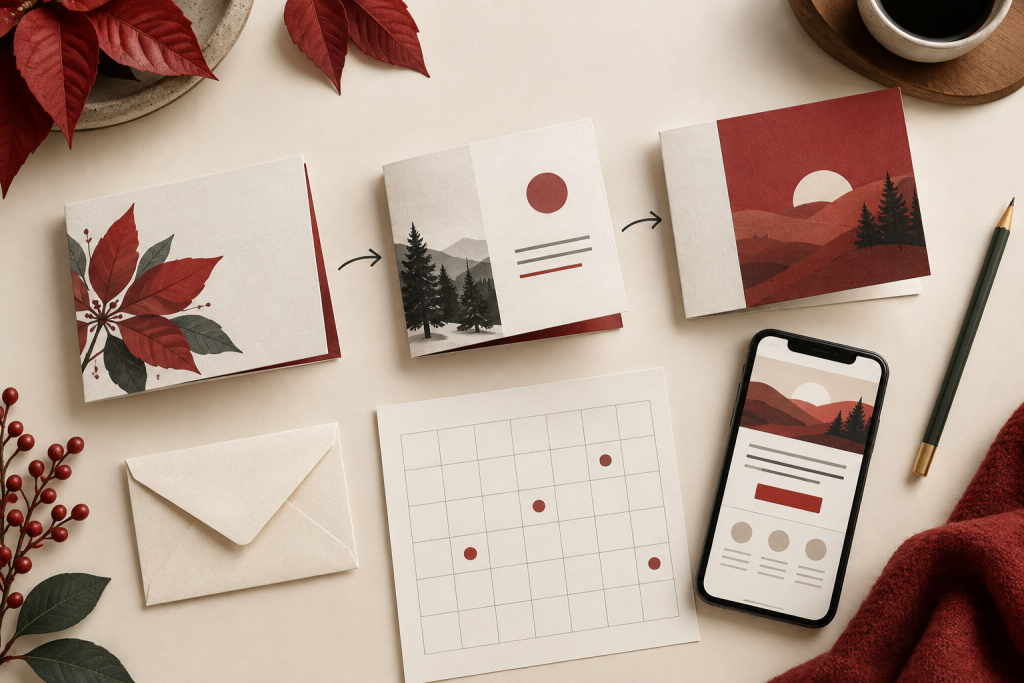
Then choose the physical piece. A postcard can handle a clear offer and deadline. A folded piece gives you room to explain a service or show several products. A letter may better fit an existing relationship. Format affects postage, production, and the room available for your message.
Make each piece earn its place
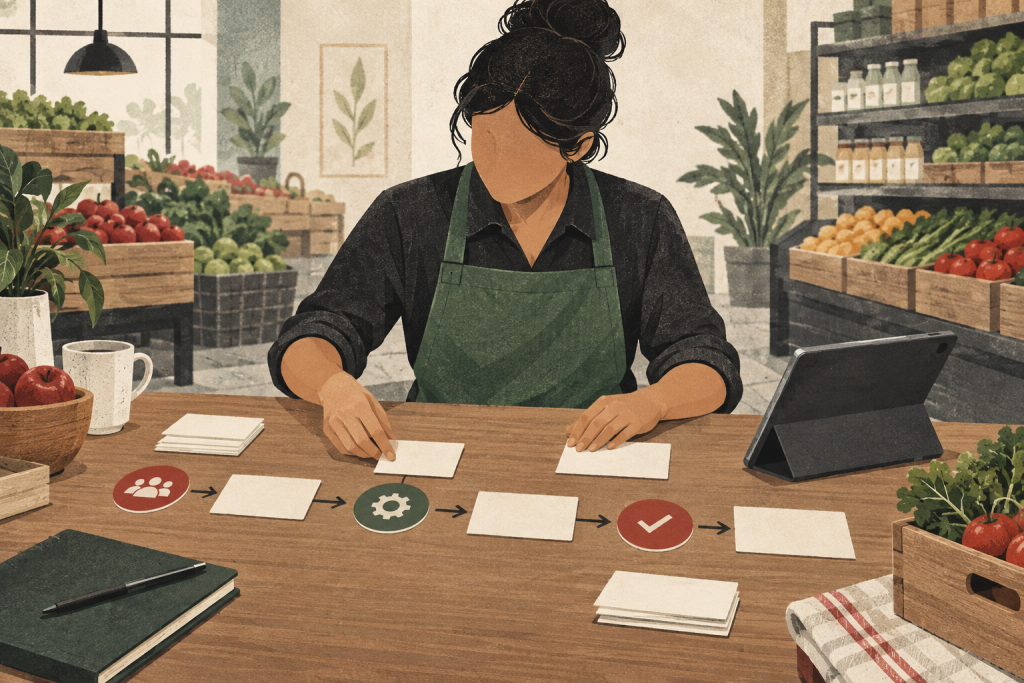
A simple three-step sequence could introduce the offer, answer the biggest buying question, and remind interested customers before a real deadline. That is a planning example. It does not establish eligibility for a postal promotion.
Give each piece new information. Do not print the same message three times and assume repetition is a strategy. For a seasonal product, the second mailing might explain ordering options. For a service, it might show completed work or explain the appointment process.
Before production, ask the mail team to compare the total cost and fit of the available options. A discount is useful only if the eligible format and mailing plan suit the job. USPS program rules can change; verify them for the actual mailing date.
What should happen after someone scans or visits?
Your landing page should repeat the offer, show the same deadline, and make the next action obvious. Test it on a phone. Check the form, the phone link, and the staff handoff before you approve the mailpiece.
A QR code can take someone to a campaign-specific link. It does not measure results by itself. Use a working destination and campaign tracking where appropriate, and include a readable web address or phone number for people who prefer them. Our print measurement approach connects the physical piece to a useful response path.
Keep design, production, and mailing on one calendar
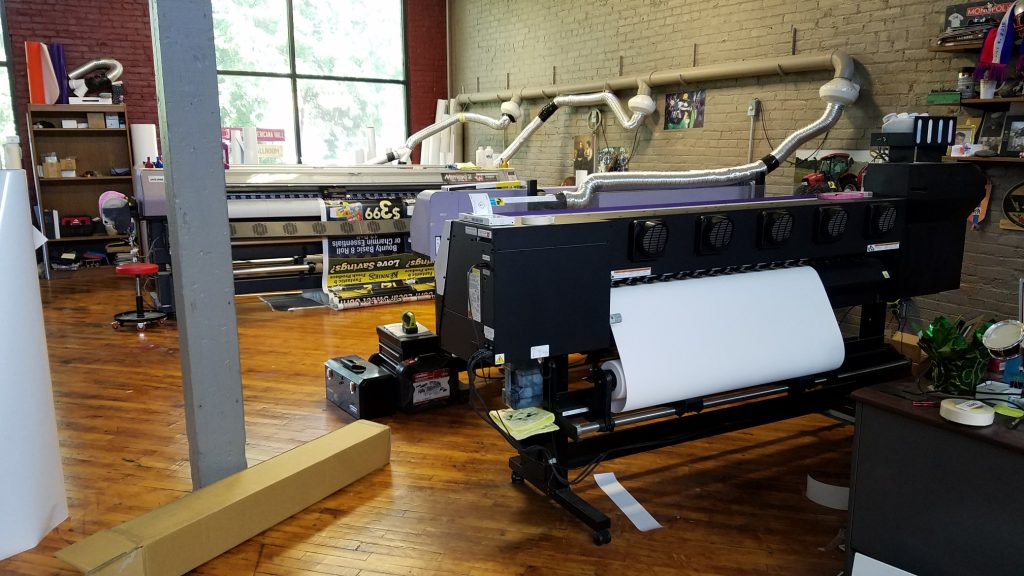
Weber’s published Good Harvest Farms project shows seasonal mailers printed in-house to promote its poinsettia offerings. It is a concrete example of connecting a timely product story with a physical piece.
Our design, print, and mail team can handle the creative, production, and mailing coordination together. That makes it easier to resolve a format question before the artwork is finished and keep the web page ready for the drop.
Judge the campaign by useful responses and the business they produce. Separate scans, inquiries, orders, and booked appointments. Keep what works for the next mailing and change what does not.
Tell Weber about your fall offer and mailing deadline. We will help build a repeatable direct-mail plan, from the first piece to the follow-up.
We used AI tools to help research and draft this article.