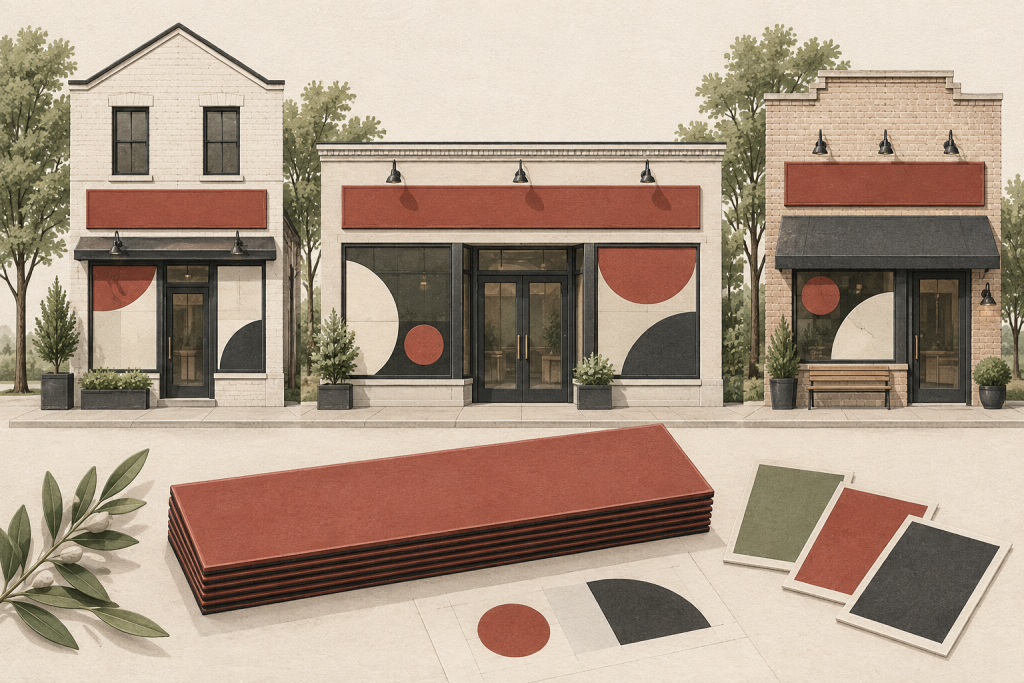
Keep signage consistent across multiple business locations by giving every site one approved design system, a clear list of local details it can change, and a shared process for ordering and installation. Start with what is actually on the walls and shelves. Then build a repeatable program around it. A logo file alone will not keep five locations looking like the same business.
This matters whether you run hardware stores, garden centers, or a growing retail chain. Customers should recognize your business at every stop, while managers still have room to promote what their location actually sells.
Start with a location-by-location sign inventory
Before ordering replacements, collect photos, measurements, quantities, and placement details from each site. Include permanent signs and the pieces that change with each promotion. Two stores may need the same message in very different sizes.
- What goes where: Record the fixture, wall, window, or entrance for each sign.
- What fits: Note the finished size, orientation, mounting method, and existing frame.
- What changes: Separate permanent branding from prices, offers, hours, and seasonal messages.
- Who handles it: Name the person who checks details, receives the order, and confirms installation.
Give each sign position a simple identifier. That makes a replacement order much clearer than “the red sign near the front.”
Decide what stays fixed and what can change
Keep logo placement, type styles, colors, and the order of information consistent. Build approved layouts for the sizes your locations use. Let managers supply local details through defined fields instead of rebuilding the artwork.
For example, two garden centers might use the same seasonal promotion layout, but only one carries the featured plant. The second location needs an approved alternate, not a homemade sign taped over the first one. Set those exceptions before the campaign starts.
A small group with occasional changes may do fine with a shared order sheet and one approver. Frequent promotions across many locations can justify a dedicated ordering portal. Choose the process your staff can keep using on a busy Thursday.
Approve materials along with the artwork
Matching files are only part of the job. Record the material and finish for each sign type, and ask to review a representative physical sample before a larger rollout. Check it where customers will see it.
For illuminated signs, Avery Dennison’s illuminated signage overview describes translucent vinyl and block-out films that let light through or keep it out. The practical takeaway: include the sign’s construction in the specification, rather than handing over a color value and assuming every application will look alike. Have your production partner confirm the appropriate materials for each use.
Make ordering and changeovers part of the plan
Set one approval deadline, one current artwork version, and a clear installation date. Pack orders by location and sign position. Include a placement list and instructions for removing expired pieces. Ask each manager to send completion photos so missed signs can be caught while the promotion is still running.
Our Store Specific signage system brings together per-store ordering, reusable frames, and signs we design and print in-house. Managers select the pieces their store needs within a coordinated program. It is a useful fit for retailers that refresh shelf and promotional signage regularly.
Look for proof of ongoing coordination
Ask a potential partner how it handles revised artwork, local exceptions, damaged signs, and repeat orders. You need a workable answer for the second campaign as well as the first.
Our published describes brand development, consistent promotional creative, and signage, supplies, and stock across an 18-store grocer. That is evidence of coordinated work over an ongoing relationship. It does not isolate signage as the cause of a sales result.
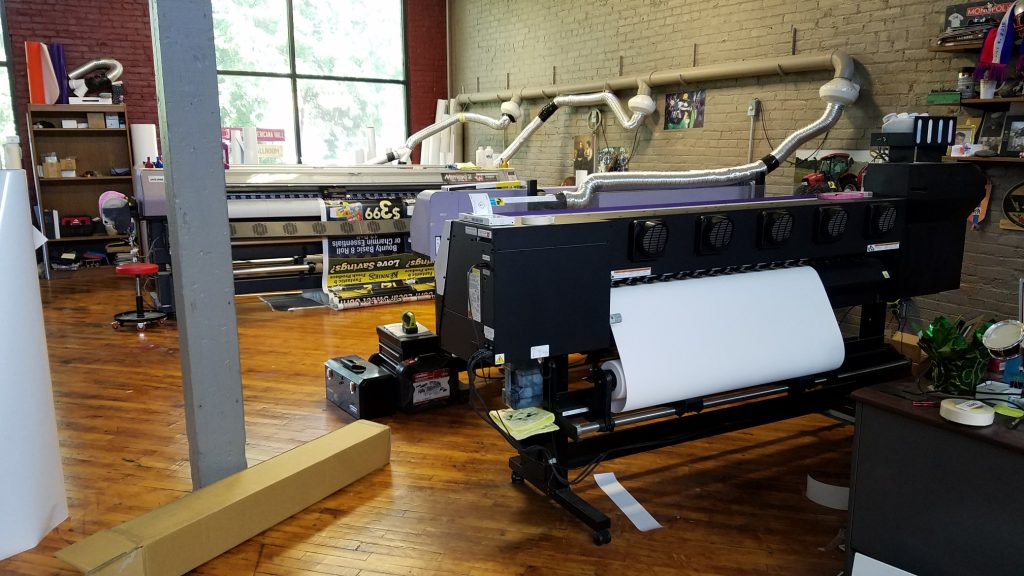
Weber’s printing and signage team handles design, production, finishing, and installation. Bring us your location list, current sign photos, brand files, and next campaign date. Talk with Weber about a signage program that keeps every location recognizable and gives your managers a straightforward way to get the right pieces.
We used AI tools to help research and draft this article.