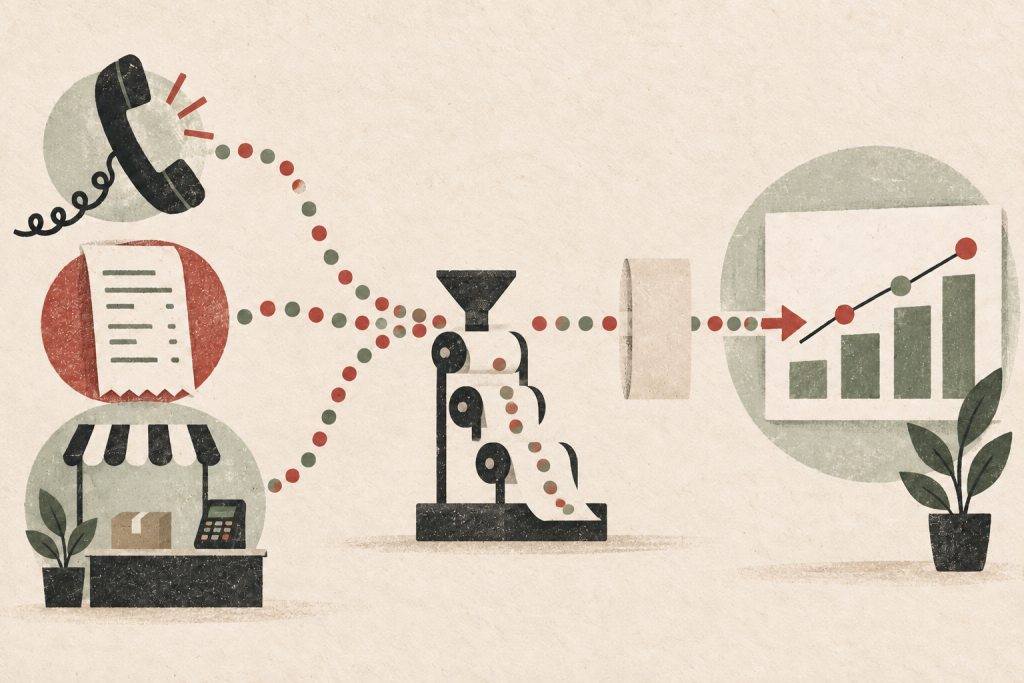
Use generation research as context, not as the whole campaign. A community bank should start with a financial moment it can recognize and serve, such as a first paycheck, a home project, a growing business, or retirement planning. Then match that need to a suitable product, a clear next step, and the channels the customer already uses.
That distinction matters now. Alkami published its 2026 Generational Trends in Digital Banking Report on September 3. The study surveyed 1,500 active digital-banking consumers from March 26 through April 22. It found that only 38% of respondents at regional and community financial institutions said product recommendations had become more relevant over the prior year. It also found that 44% wished their primary provider did a better job anticipating their financial needs and goals.
Those numbers do not say every 30-year-old needs the same ad. They say relevance has work to do.
Start with the financial moment
A generation label can give your team useful background. It cannot tell you what one person needs today. Build the brief around a real situation your bank is ready to help with.
- A customer starts receiving direct deposits for the first time.
- A household is comparing ways to pay for a home project.
- A business owner keeps more cash in a basic account than operations require.
- A longtime customer needs clear information about fraud protection or retirement income.
Choose one moment. Name the question the customer is likely asking. Then decide whether the right response is education, a product conversation, a service reminder, or no promotion at all. That last option matters. A useful campaign should not turn every signal into a sales pitch.
Use generation findings as a check
Once the campaign has a job, use the research to challenge your assumptions. Is the explanation clear enough for someone opening an account for the first time? Can a customer move from the email to a phone call without starting over? Does the digital path explain security in plain language? Can someone find a real person when the decision gets complicated?
Need mobile? Yes. A branch handout? Maybe. A helpful staff answer? Absolutely. The mix should follow the customer decision, not a stereotype about age.
The Alkami study covered active digital-banking users ages 22 to 65. It is useful research, but it is not a census of every person in your market. Your own approved, permissioned information and frontline experience still matter. Compliance, privacy, and fair-lending teams should review the audience rules, offer, disclosures, and data use before the campaign runs.
Make every touchpoint continue the same conversation
A relevant ad becomes irrelevant fast when the landing page speaks in generalities or the branch team has not seen the offer. Write one short campaign brief that covers the customer moment, product fit, eligibility, required disclosures, next step, active dates, and responsible owner.
Then carry that answer through the website, email, paid media, direct mail, branch materials, and staff talking points. Weber’s banking and financial marketing work includes the everyday rhythm of rate campaigns, branch signage, and direct mail for Jonestown Bank & Trust, kept consistent across branches. That is public proof of the coordination, not a promise that one segmentation model will produce a particular result.
If the digital path needs work, Weber can also handle the website, email, social, and analytics as part of the same job. One team can keep the message from drifting between the phone and the front door.
Measure whether the campaign helped with a real need
Decide what useful progress looks like before launch. That might be a completed account opening, a funded account, a qualified appointment, attendance at a financial-education session, or completion of a fraud-alert setup. Track the business outcome your team can verify, not just clicks.
Compare results by financial moment, offer, channel, and market where your policies permit it. Do not declare that one age group “does not respond” after one small test. Check the message, the path, the timing, and the staff handoff first.
Planning next year’s bank marketing? Bring Weber one customer moment and one business goal. Talk to our team, and we will help turn them into a campaign your customers can understand and your staff can run.
We used AI tools to help research and draft this article.