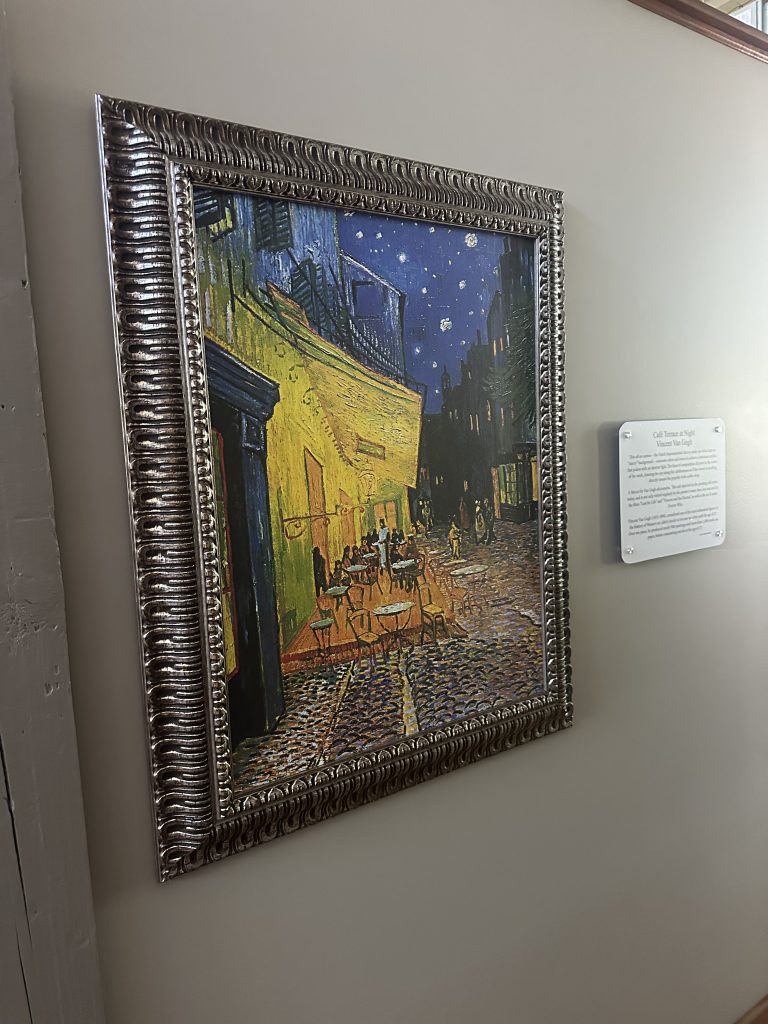
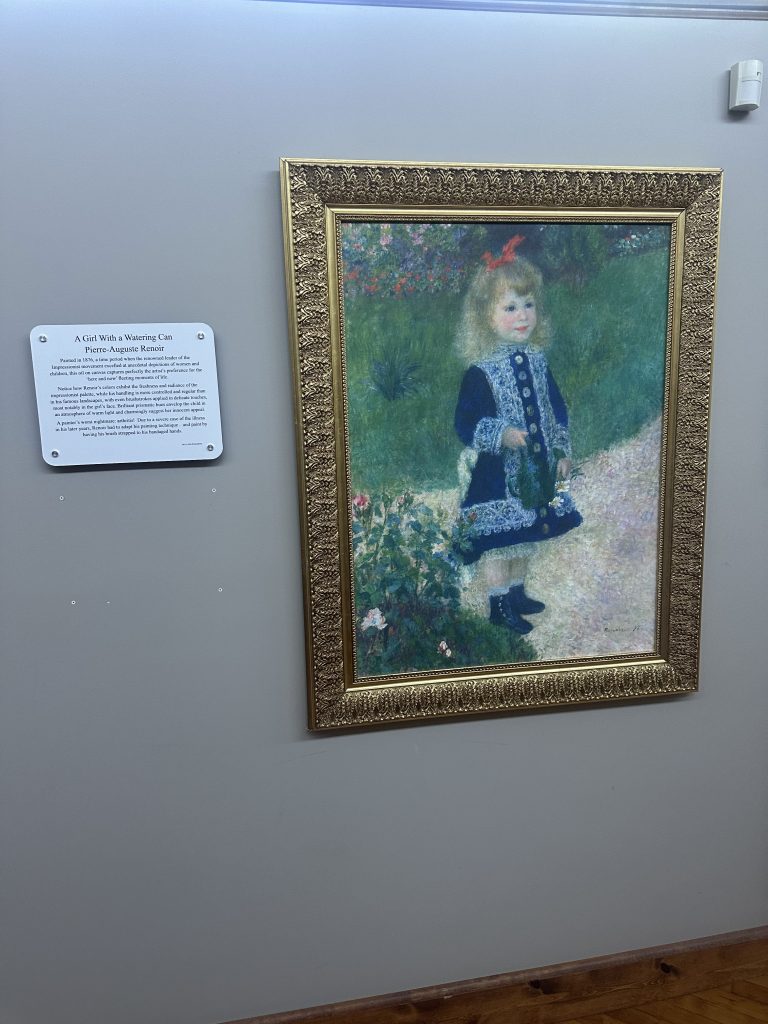
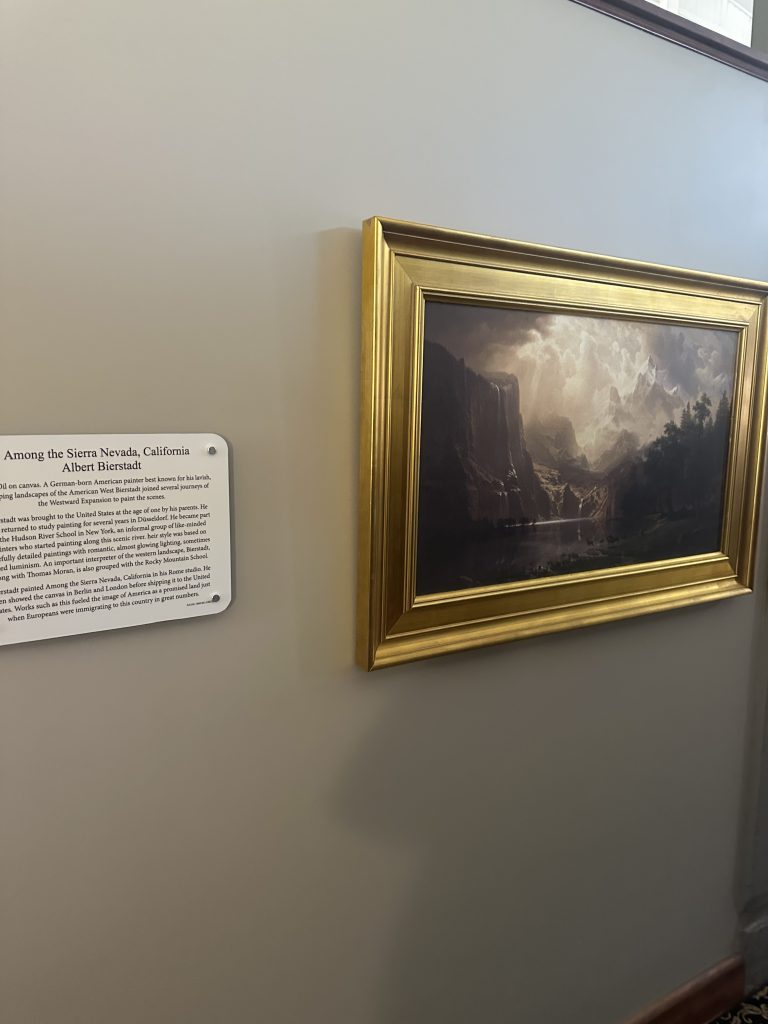
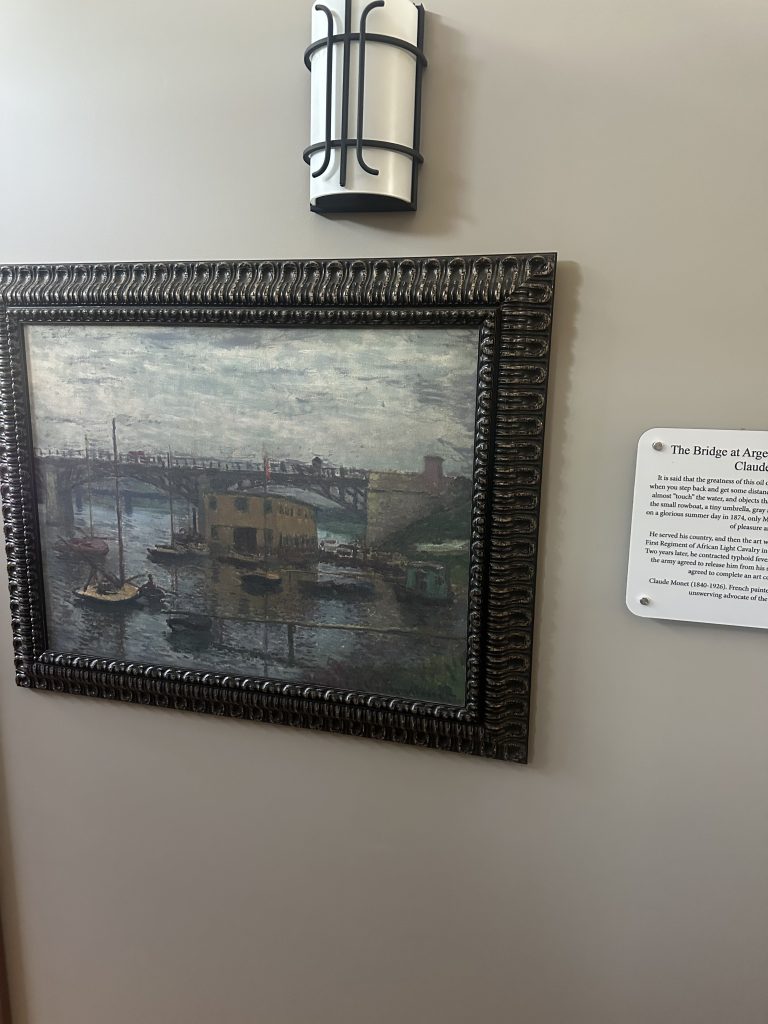
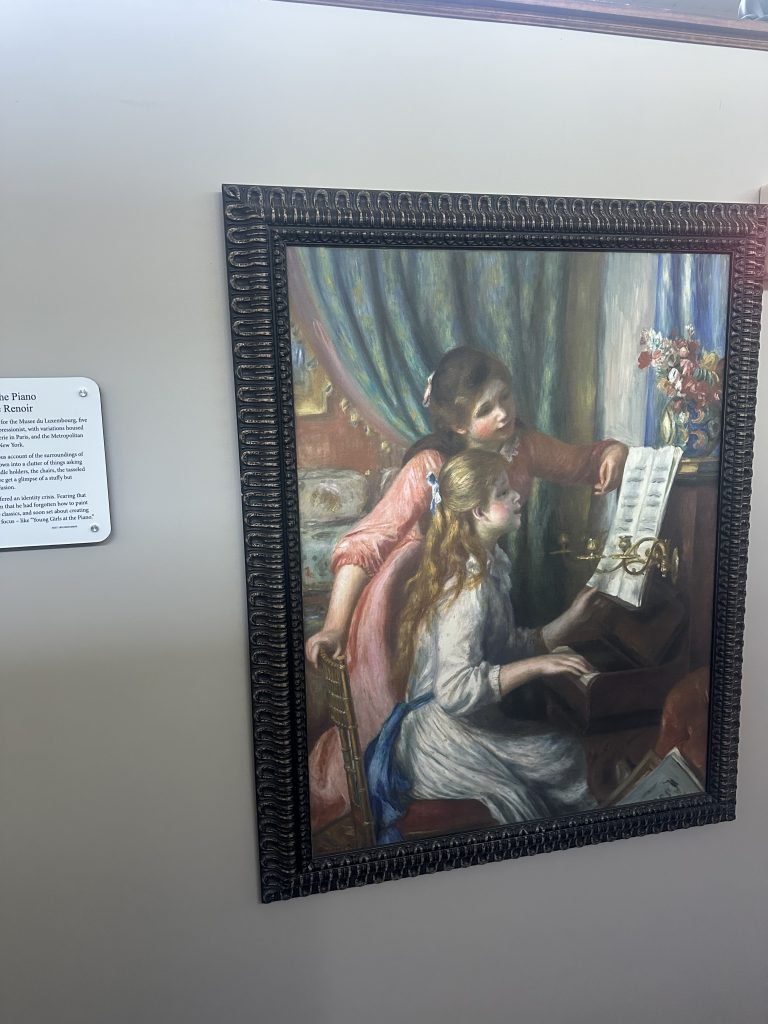
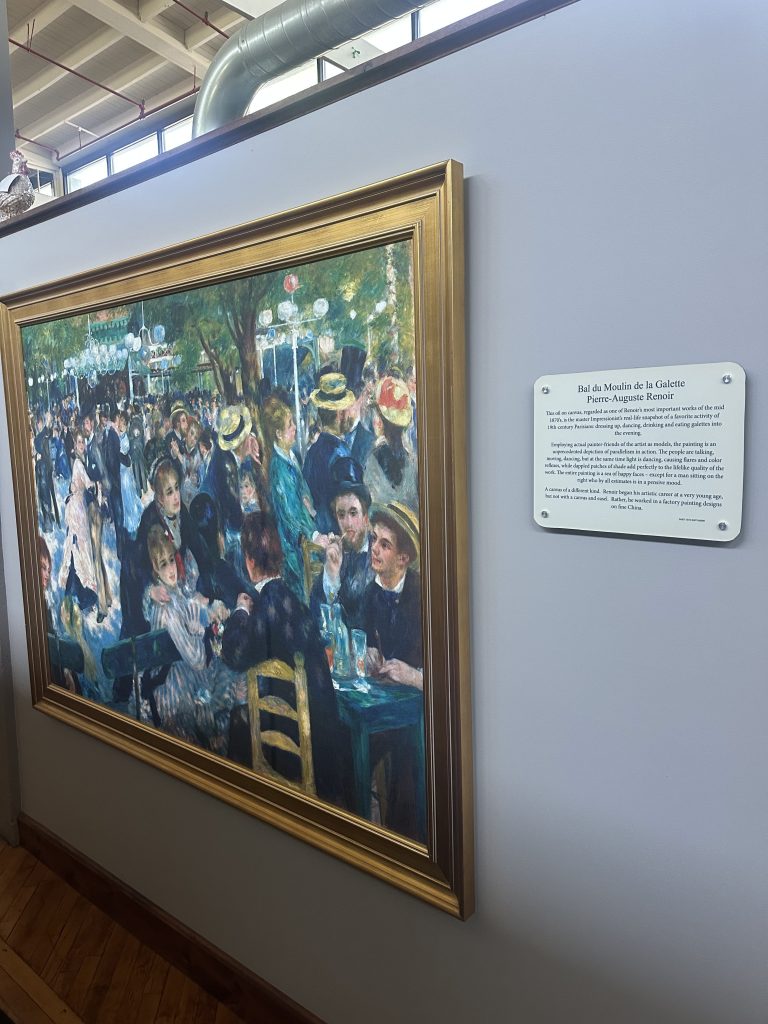
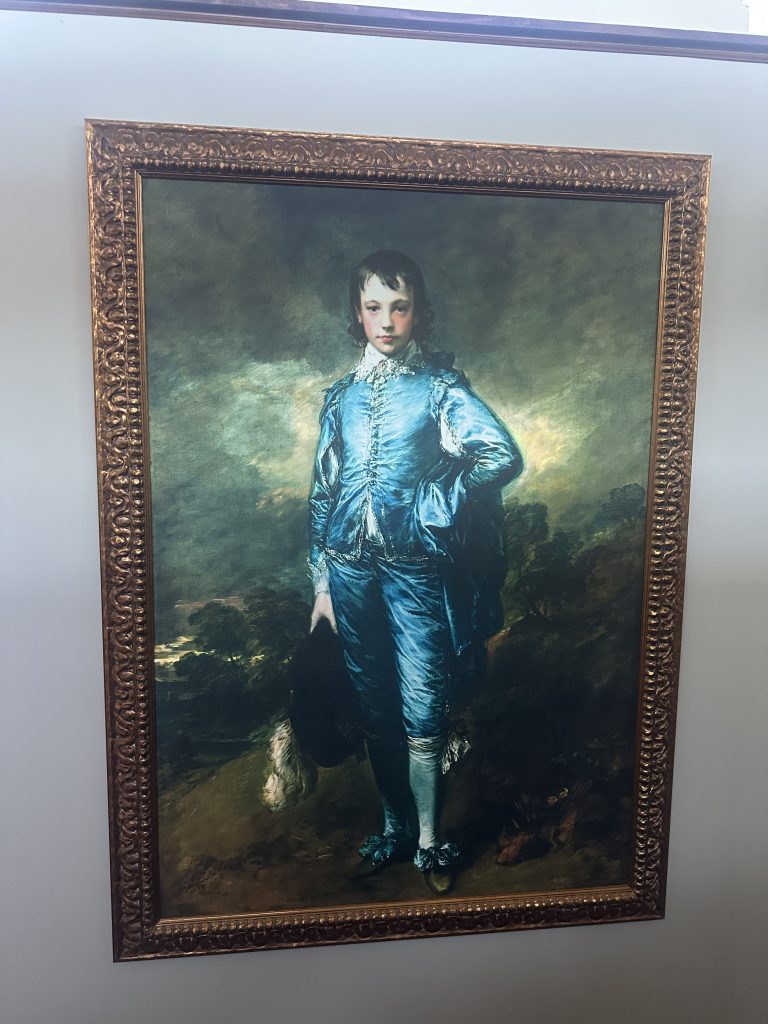
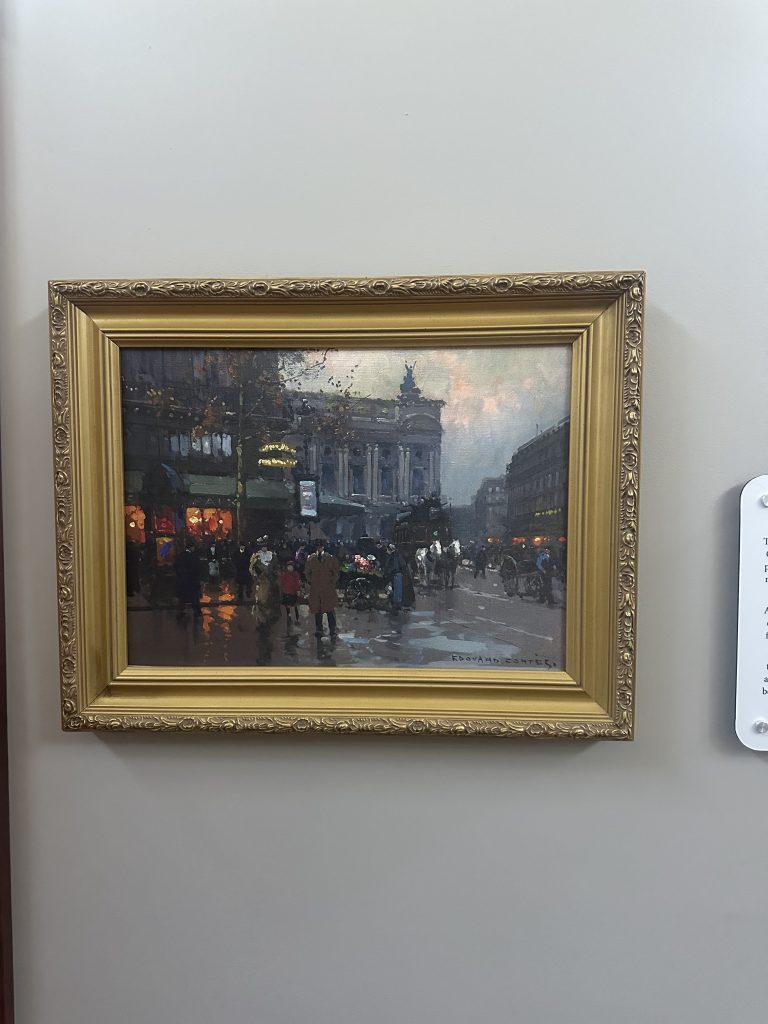
At Weber Advertising, this project started with a simple idea: take some of the most recognizable artworks in history and reintroduce them in a way that feels tangible, intentional, and visually striking in a modern space. We didn’t just want to display famous pieces, we wanted to recreate them with care, precision, and respect for the originals.
Using high-resolution reproductions and carefully matched materials, we printed scaled versions of these masterpieces and paired them with frames sourced to mirror the style and era of each original work. The goal wasn’t to replace or reinterpret the art, but to bring it closer—so people could experience the visual impact of these iconic pieces in a new, physical context.
From there, the project became less about printing and more about preservation of feeling: how do you translate the presence of a museum piece into something that still carries weight on a wall today?
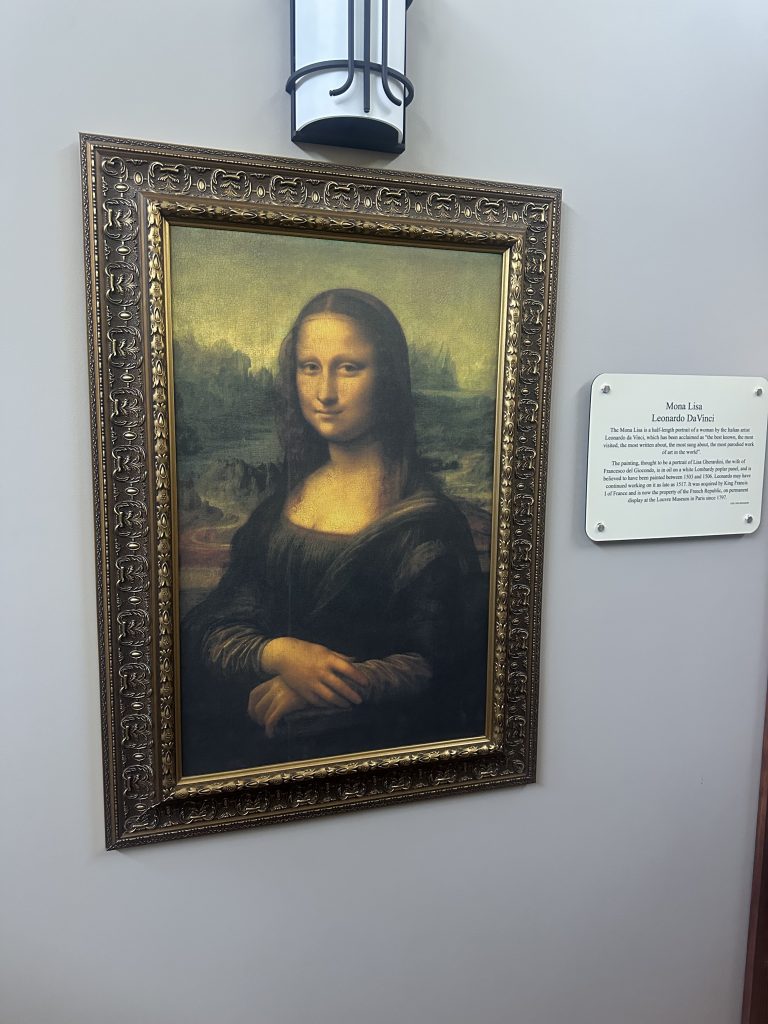
The Mona Lisa
Painted by Leonardo da Vinci beginning in 1503, this portrait is widely considered the most famous painting in the world. It depicts Lisa del Giocondo and became a defining symbol of the Italian Renaissance. Its subtle expression and masterful use of shading (sfumato) have fascinated viewers for centuries.
Reproducing this piece required extreme attention to tonal gradients and fine detail—elements that make the original so captivating.
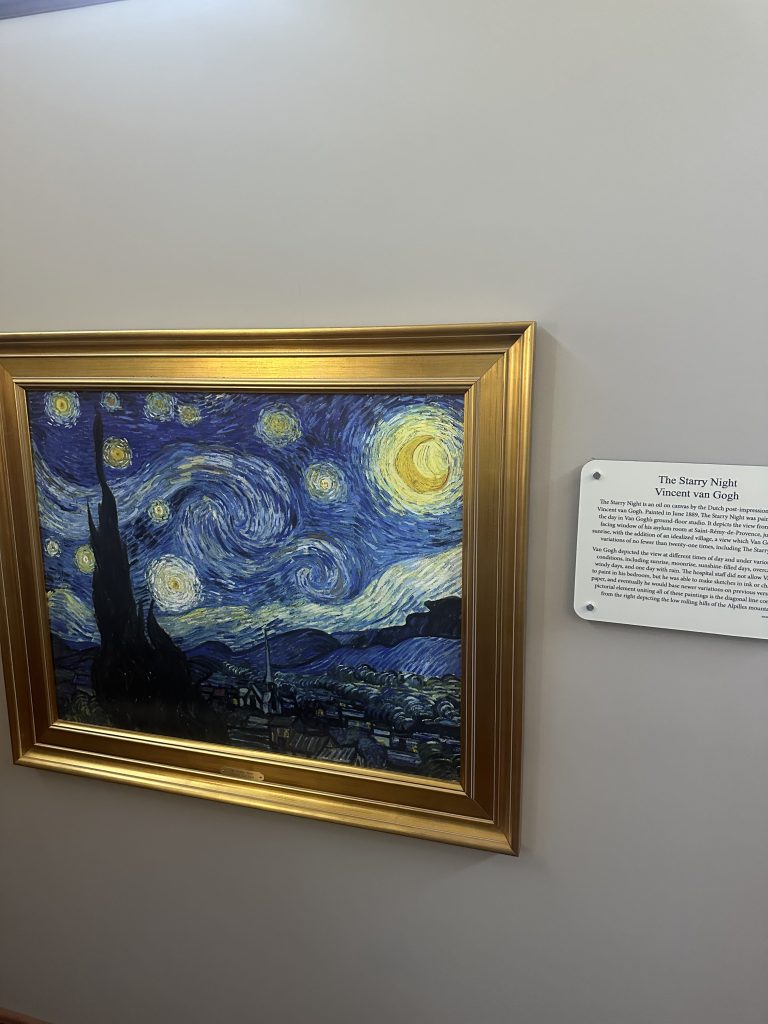
Starry Night
Created in 1889 by Vincent van Gogh, this swirling night sky reflects both a real landscape and the artist’s emotional state during his time in an asylum. Its bold brushstrokes and vivid colors have made it one of the most recognizable works in modern art.
Capturing its texture in print required balancing vibrancy with subtlety—ensuring the movement of the sky still feels alive.
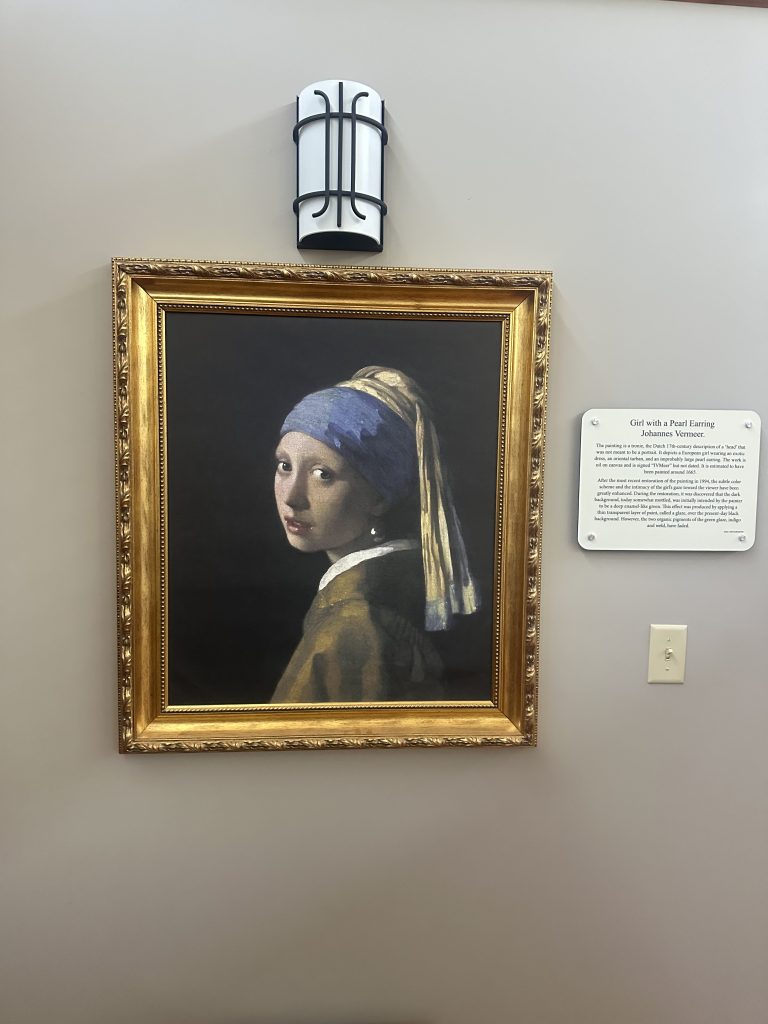
Girl with a Pearl Earring
Painted around 1665 by Johannes Vermeer, this intimate portrait—technically a “tronie”—is known for its soft lighting and enigmatic subject. The identity of the girl remains unknown, adding to its intrigue.
In replication, maintaining the softness of the light and the depth of the background was critical to preserving its quiet impact.
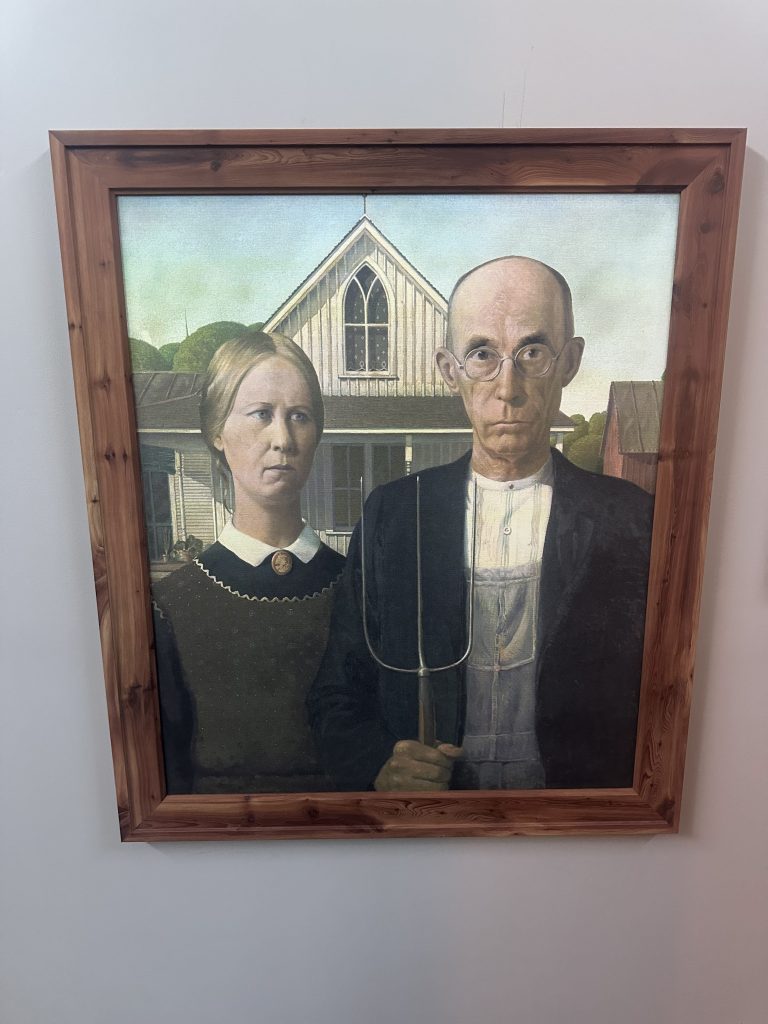
American Gothic
Completed in 1930 by Grant Wood, this iconic image of a farmer and his daughter has become a symbol of American resilience and rural life. Its precise, almost rigid composition contrasts sharply with the emotional fluidity of other works in this collection.
For Weber, this meant sharp lines, accurate color matching, and a frame that reinforced its traditional, Americana feel.
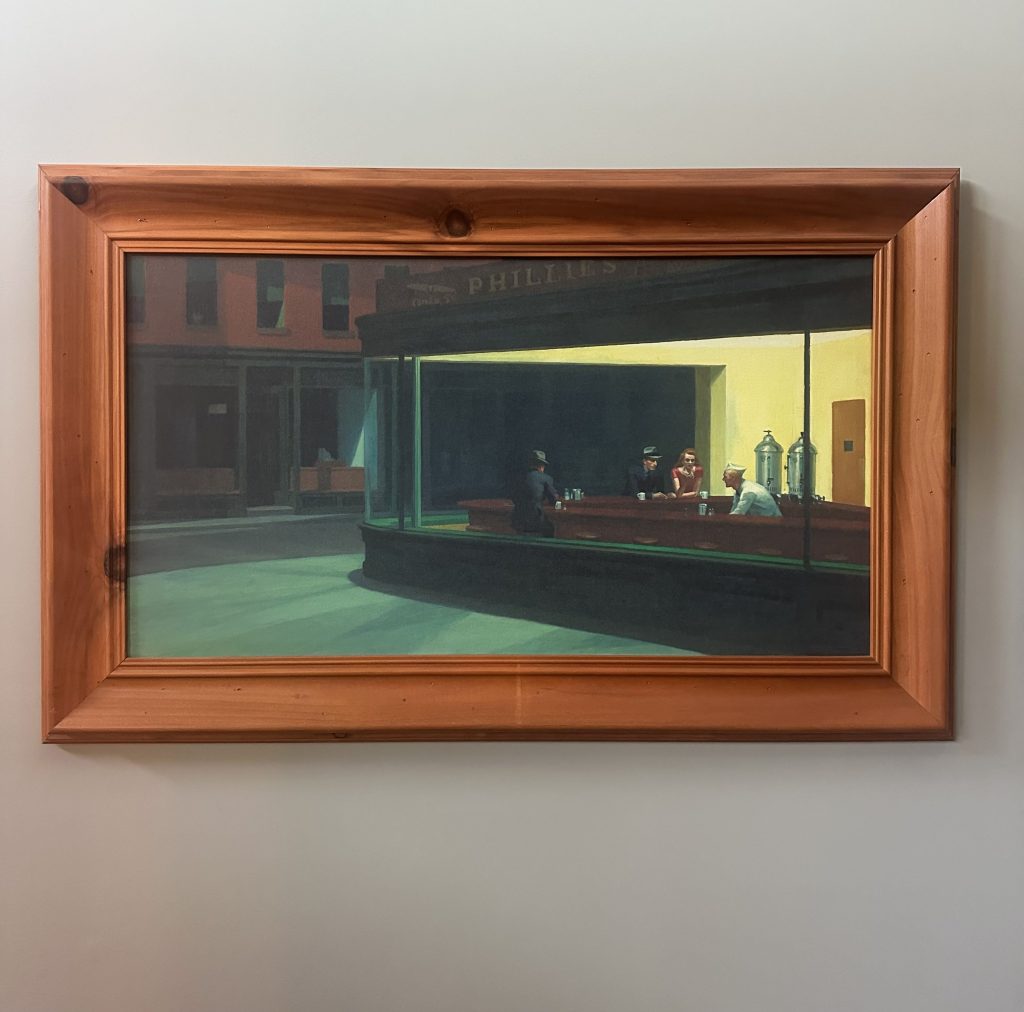
Nighthawks
Painted in 1942 by Edward Hopper, Nighthawks captures a quiet, late-night diner scene that has come to symbolize urban isolation. The stark lighting and composition create a cinematic quality that still resonates today.
Reproducing this piece required careful control of contrast and lighting balance—key to preserving its mood.
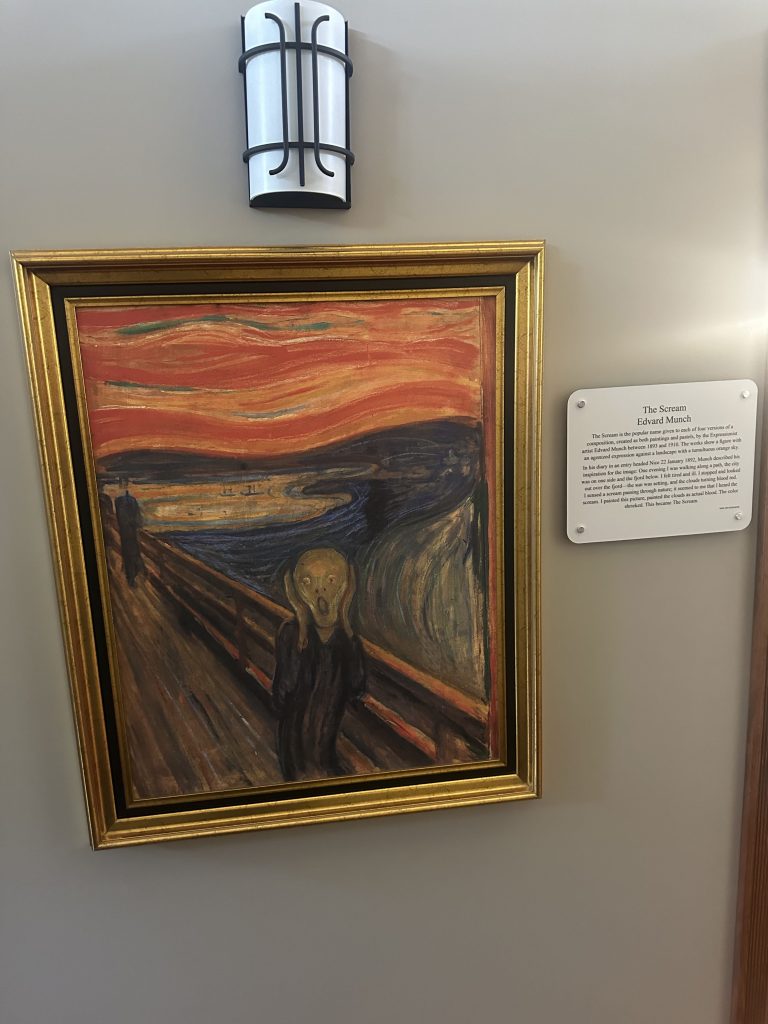
The Scream
Created in 1893 by Edvard Munch, this haunting image represents what Munch described as “an infinite scream passing through nature.” It has become an enduring symbol of anxiety and modern human emotion.
For Weber, the challenge was translating its raw intensity into print without losing the distortion and energy that define it.
Beyond the Canvas: The Importance of Framing
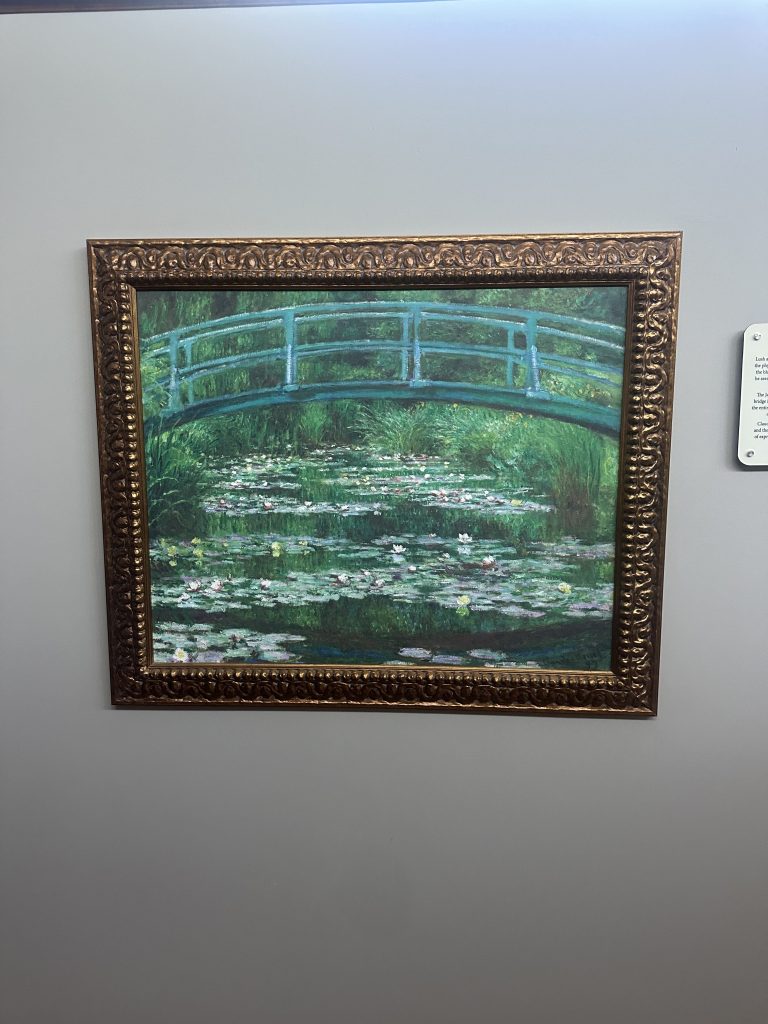
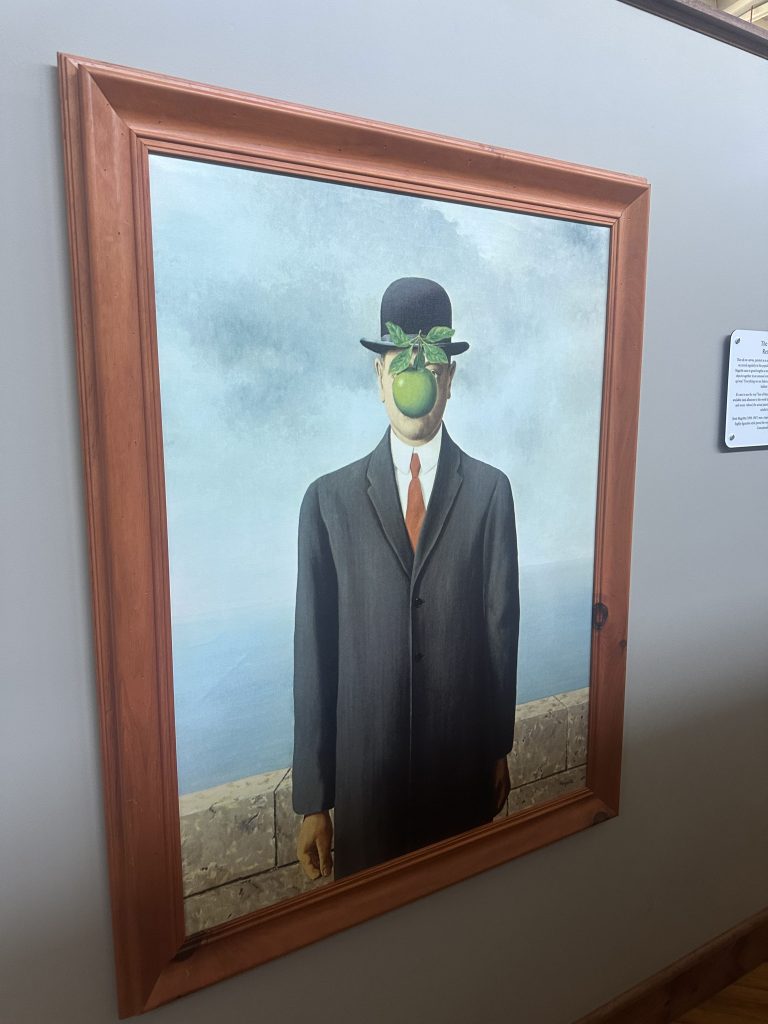
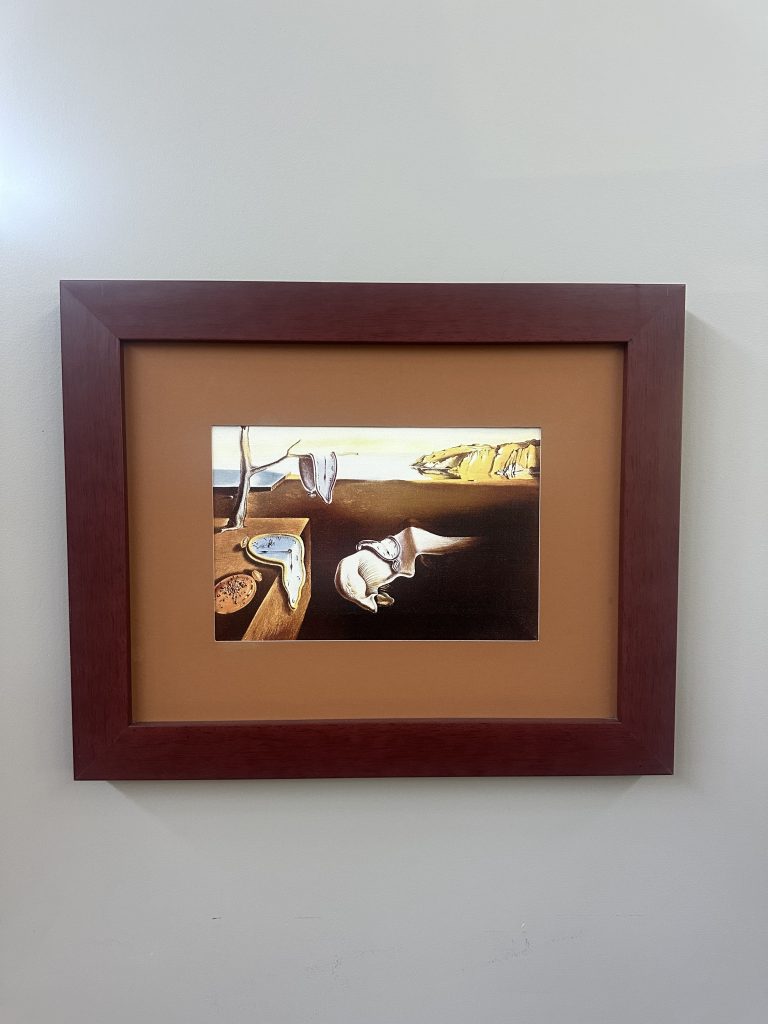
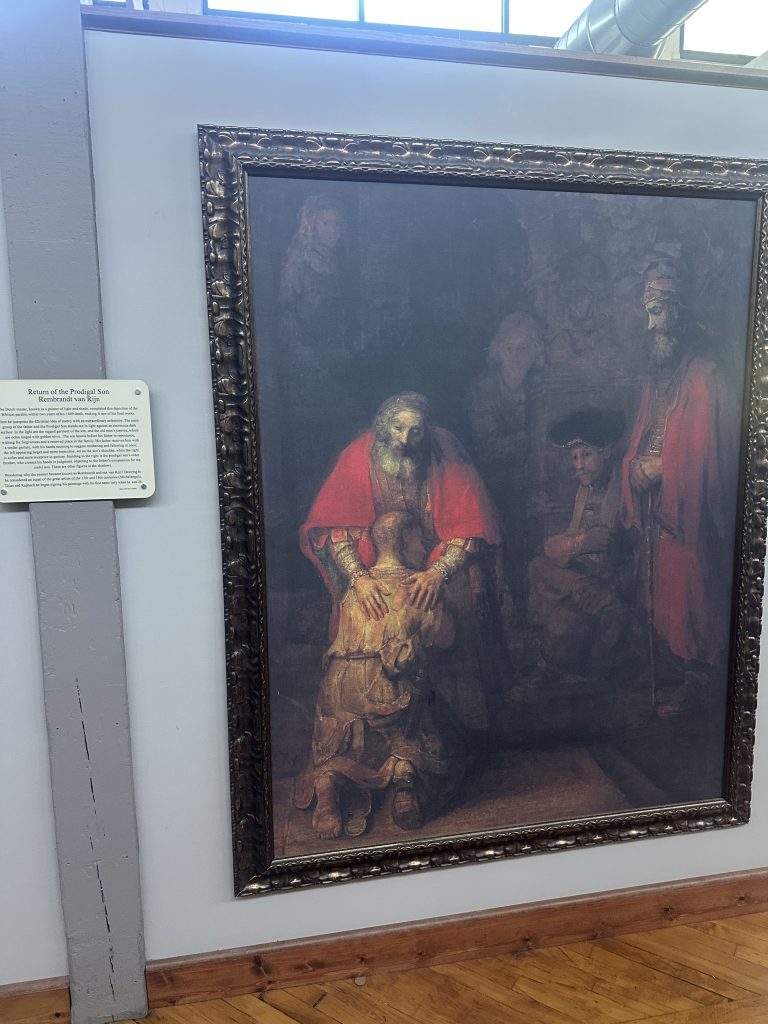
A major part of this project wasn’t just the artwork—it was the framing. Each frame was selected or sourced to closely resemble the original presentation style of the piece. This step is often overlooked, but it’s critical: the right frame doesn’t just hold the artwork—it completes it.
By combining high-quality printing with historically inspired framing, Weber Advertising ensured that each reproduction felt authentic, not just decorative.