For the last few years, marketing trends have moved at breakneck speed. New platforms emerge, algorithms change overnight, and AI tools promise to “revolutionize” everything. But as we move into 2026, the conversation is shifting.
This year isn’t about chasing shiny objects. It’s about maturity—using technology, data, and creativity in smarter, more strategic ways.
Here are the digital marketing trends that actually matter right now—and how marketers should respond.
1. AI Is Moving From a Tool to a Strategy
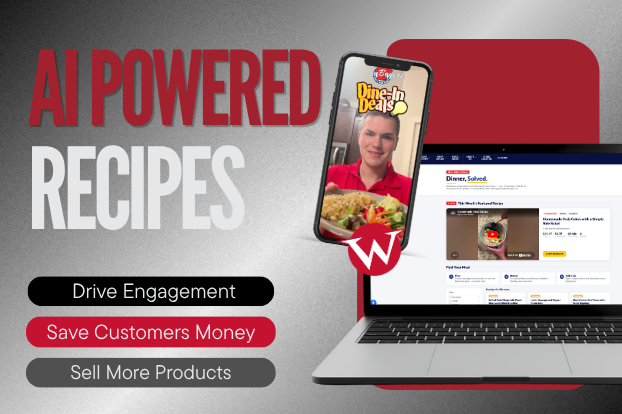
In 2024 and 2025, AI was everywhere—but mostly as a productivity boost. Marketers used it to write copy faster, generate images, or brainstorm ideas.
In 2026, AI is no longer just an assistant. It’s becoming part of the strategy itself.
We’re seeing brands:
- Use AI to analyze performance data and recommend next actions
- Automate campaign optimization in real time
- Build AI-powered workflows that plan, test, and refine content continuously
The biggest shift? Marketers are no longer asking “Can AI do this?”
They’re asking, “Where does AI create the most leverage?”
What this means for marketers:
Those who understand how to guide and govern AI—rather than simply use it—will outperform those who treat it as a shortcut.
2. Social Platforms Are the New Search Engines
Google still matters—but it’s no longer the first stop for many consumers.
People now search for:
- Product reviews on TikTok
- How-to content on YouTube
- Recommendations on Instagram and Reddit
This shift has given rise to social SEO—optimizing content not just for keywords, but for how people search inside platforms.
Success now depends on:
- Clear, searchable captions and on-screen text
- Natural language phrasing (how real people ask questions)
- Content designed to answer a specific query quickly
What this means for marketers:
If your content can’t be discovered inside social platforms, you’re invisible to a growing segment of your audience.
3. Conversational Marketing Is Closing the Gap Between Browsing and Buying
Chat is no longer just customer support—it’s becoming a sales channel.
From website chatbots to social DMs and AI shopping assistants, consumers increasingly expect:
- Instant answers
- Personalized recommendations
- A frictionless path from interest to action
Conversational commerce removes steps from the funnel. Instead of clicking through pages, users can ask, decide, and purchase in one interaction.
What this means for marketers:
Brands that design conversations—not just campaigns—will convert faster and build stronger trust.
4. First-Party Data Is the Most Valuable Asset You Own
With third-party cookies continuing to disappear, first-party data is no longer optional—it’s foundational.
In 2026, winning brands are:
- Prioritizing email and SMS relationships
- Creating value-based data exchanges (content, perks, access)
- Investing in consent-driven personalization
The focus has shifted from collecting more data to collecting better data—data users knowingly and willingly provide.
What this means for marketers:
Trust is now a growth strategy. Brands that respect privacy while delivering relevance will win long-term loyalty.
5. Content Quality Is Beating Content Volume
The internet is saturated. AI has made content creation easier—but not better.
As a result, audiences are tuning out anything that feels:
- Generic
- Overproduced
- Obviously automated
In response, brands are:
- Publishing less, but with more intention
- Prioritizing insight, originality, and perspective
- Leaning into real expertise and lived experience
What this means for marketers:
In 2026, relevance beats reach. Thoughtful content that actually helps people will outperform mass output every time.
The Bottom Line
Digital marketing in 2026 isn’t about doing more—it’s about doing things smarter.
The brands pulling ahead are the ones that:
- Use AI with intention
- Meet audiences where they search and engage
- Build trust through transparency and value
- Focus on long-term relationships, not short-term wins
The tools will keep changing. The fundamentals won’t.
The marketers who succeed this year are the ones who understand that technology is powerful—but strategy is what makes it work.
Written with the assistance of AI tools.